Are You Struggling with Lying?
If You Struggle with Lying or Withholding the Truth
A Catholic Path to Truthfulness, Integrity, and Prudence
This Is More Common Than We Admit
Many people lie not because they are malicious, but because they are afraid.
Lying often appears as:
- Exaggeration or omission
- “Little white lies” to avoid discomfort
- Saying what is convenient rather than what is true
- Hiding facts to protect oneself or others
- Living differently in public and private
Over time, these habits can feel necessary—almost automatic.
The Church speaks here not to accuse, but to free.
Why Truth Matters Spiritually
Truth is not merely accuracy. Truth is a way of living in reality.
Jesus does not say, “I know the truth,” but:
“I am the Truth.” (John 14:6)
To live in truth is to live undivided, without masks or double lives.
Lying fractures the soul:
- One version of the self is presented outwardly
- Another is hidden inwardly
This division erodes peace.
Why We Lie
People often lie because:
- The truth feels costly
- Conflict seems unbearable
- Shame feels overwhelming
- Control feels safer than vulnerability
Lying promises relief—but it always demands maintenance. One lie requires another. Secrecy multiplies. Anxiety grows.
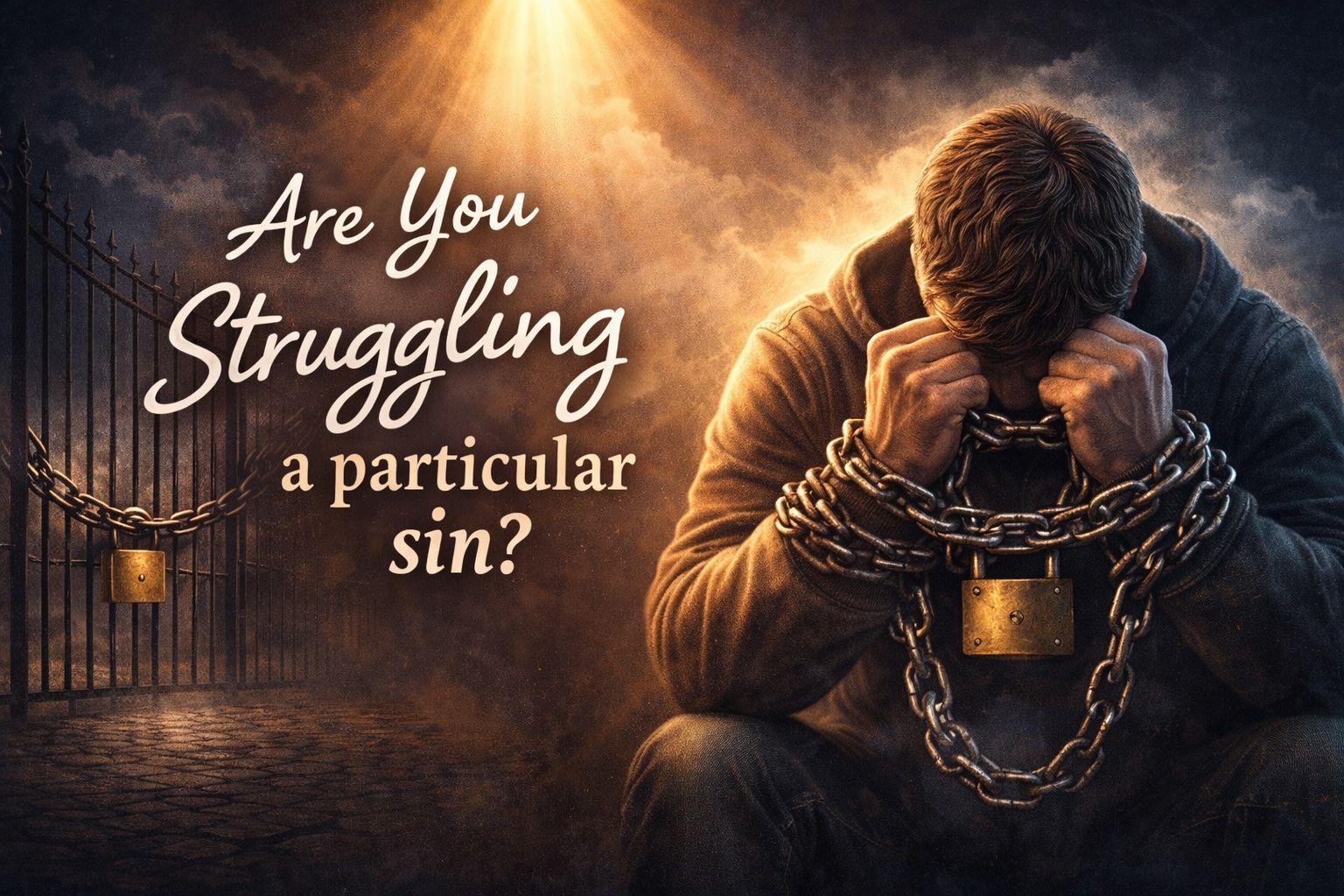
Lies promise protection, but they deliver bondage.
The Hidden Cost of Lying
Even “small” lies have consequences.
Habitual dishonesty:
- Weakens trust
- Blurs conscience
- Trains the heart toward fear rather than freedom
- Makes authentic relationships difficult
Most damaging of all, lying distances us from reality—and grace works only in truth.
What the Church Means by Lying
The Church teaches that lying is:
Speaking falsehood with the intention to deceive.
This includes:
- Saying what is untrue
- Creating a false impression deliberately
- Withholding truth in order to mislead
Not every silence is a lie. Not every truth must be told to everyone.
Practicing the Opposite Virtues: Truthfulness and Integrity
Lying is not healed simply by “trying harder.” It is healed by practicing the opposite virtues.
Truthfulness
- Letting words correspond to reality
- Speaking honestly when truth is owed
- Refusing manipulation or distortion
Integrity
- Living as one whole person
- Refusing double lives
- Aligning words, actions, and intentions
Freedom comes when nothing needs to be hidden.
Truthfulness Does NOT Mean Saying Everything
Living in truth does not mean that every person is entitled to all information.
The Church has always taught that:
- Some truths must be protected
- Some information must be withheld prudently
- Silence can be morally good
What matters is whether we intend to deceive.
Truthfulness concerns honesty, not total disclosure.
Not Everyone Has a Right to Every Truth
People have a right to the truth when justice or charity requires it. They do not have a right to:
- Private information that does not concern them
- Confidences entrusted to you
- Details that would unjustly harm others
- Information that would enable wrongdoing
For example:
- You are not obliged to answer intrusive questions
- You may refuse to disclose confidential matters
- You may remain silent when speaking would cause harm
Silence, discretion, and refusal to answer are often more truthful than careless speech.
Withholding Is Not the Same as Lying
A lie involves falsehood spoken to deceive.
It is not a lie to:
- Decline to answer
- Say “I’m not able to speak about that”
- Delay a response
- Redirect a conversation
It is a lie to:
- Say what you know to be false
- Create a false impression deliberately
- Manipulate others through misleading speech
The difference lies in intention, not in how much is said.
Truth and Prudence Belong Together
Classical Catholic moral theology—especially articulated by St. Thomas Aquinas—teaches that truthfulness must be governed by prudence.
Prudence asks:
- Who is asking?
- Why are they asking?
- What good or harm will result from speaking?
- Is this the right time and way to speak?
Truth without prudence can become cruelty. Silence guided by prudence can be an act of charity.
Have a Plan for Moments of Temptation
Lying usually happens in the moment, under pressure.
Prepare ahead of time.
When tempted to lie, ask:
- “What am I afraid of right now?”
- “What would honesty cost me?”
- “Can I delay rather than deceive?”
Often it is better to say:
- “I need time to think about that.”
- “I’m not ready to answer.”
- “I can’t speak to that right now.”
Delay is often more honest than deception.
Truth and the Sacraments
Confession is the place where truth and mercy meet.
Confession:
- Breaks the power of secrecy
- Restores integrity
- Trains the soul in honest self-knowledge
Grace does not work in falsehood. It flourishes in truth.
One of the great teachers of the Church, St. Augustine, taught that lies always wound the soul because they separate us from Truth Himself.
There Is Peace in Living Truthfully
Living truthfully does not guarantee comfort—but it brings peace.
Over time:
- Fear lessens
- Relationships deepen
- The soul becomes quieter
- Prayer becomes more real
To return to truth is to return to God.
A Line Worth Remembering
Truthfulness does not require telling everything— only refusing to deceive.
Closing Prayer
Lord Jesus Christ, You are the Truth who sets us free. Heal my fear, calm my desire to hide, and teach me to live with integrity. Give me the courage to speak honestly, to remain silent prudently, and to walk always in the light. Amen.