2nd Sunday of Advent 2025

Dear brothers and sisters in Christ,
To begin, I’d like to share with you an old Cherokee legend to instruct the youth: One day there was an old Cherokee Indian who was teaching his grandson about life.
“A fight is going on inside me,” he said to the boy. “It is a terrible fight, and it is between two wolves. One is evil – he is anger, envy, sorrow, regret, greed, arrogance, self-pity, guilt, resentment, inferiority, lies, false pride, superiority, and ego.” He continued, “The other is good – he is joy, peace, love, hope, serenity, humility, kindness, benevolence, empathy, generosity, truth, compassion, and faith. The same fight is going on inside you – and inside every other person, too.”
The grandson thought about it for a minute and then asked his grandfather, “Which wolf will win?”
The old Cherokee simply replied, “The one you feed.”
It is great little story, isn’t it? It expresses something real that is going on inside of each of us.
Today in our first reading, Isaiah makes reference to some normally vicious animals: Wolf, Leopard, and Lion.
The root of the word vicious, it is “vice”. It is immoral or wicked behavior… we speak about vices in terms of immoral or bad habits. Now this is not to imply that animals sin. Animals actually cannot sin, because animals are only ruled by their baser instincts; they are ruled by their desires. But we human beings are meant to be ruled by our intellect and our reason. If we begin to be ruled merely by our desires, but our baser instincts, what will happen? We become vicious … we become animal-like.
But we are called to seek after virtue … to seek to be virtuous. The root word for virtue is “vir” which in Latin means “man.” It means valor, merit, moral perfection. We are to seek after these good habits which make us virtuous. And to be virtuous means that we are more “human.”
We recognize that there is this struggle that is going on within us. It is like this battle between these two wolves in the Cherokee proverb. The question is, which one will we feed?
In the famous work of Dante Alighieri, the Divine Comedy, in the first canto, Dante encounters three ferocious animals: the leopard, the lion and the wolf. They symbolize the major categories of sin: incontinence, violence and fraud. Or as they are more commonly called – lust, pride and avarice (or greed). In her commentary, Dorothy L. Sayers explains that these categories of sin were associated with the three stages of life – lust with youth, pride (self-conceit) with the middle years and avarice (greed) with old age. Of course, they can attack a person at any time of his life.
Now there has been great debate over the centuries about the understanding of human nature. For instance, thinkers like Aristotle, Sigmund Freud, and even Jean-Jacques Rousseau, thought that a new-born baby is a kind of moral blank slate, or a kind of amoral creature … that in fact, any evil that we do is learned.
But I would argue that only our Judea-Christian understanding of the human person adequately gives us a correct human anthropology. And it, of course starts with the fall of our first parents in the book of Genesis. They ate the fruit of the tree that they were forbidden to eat, and they have passed along that original sin, to us along with concupiscence (the inclination to sin). So in our proper understanding of the human person, we recognize that we are conceived and born deprived of that original holiness with which our first parents were created. We are deprived of that sanctifying grace, but we are not totally depraved. But as I said, there is within us the inclination to sin.
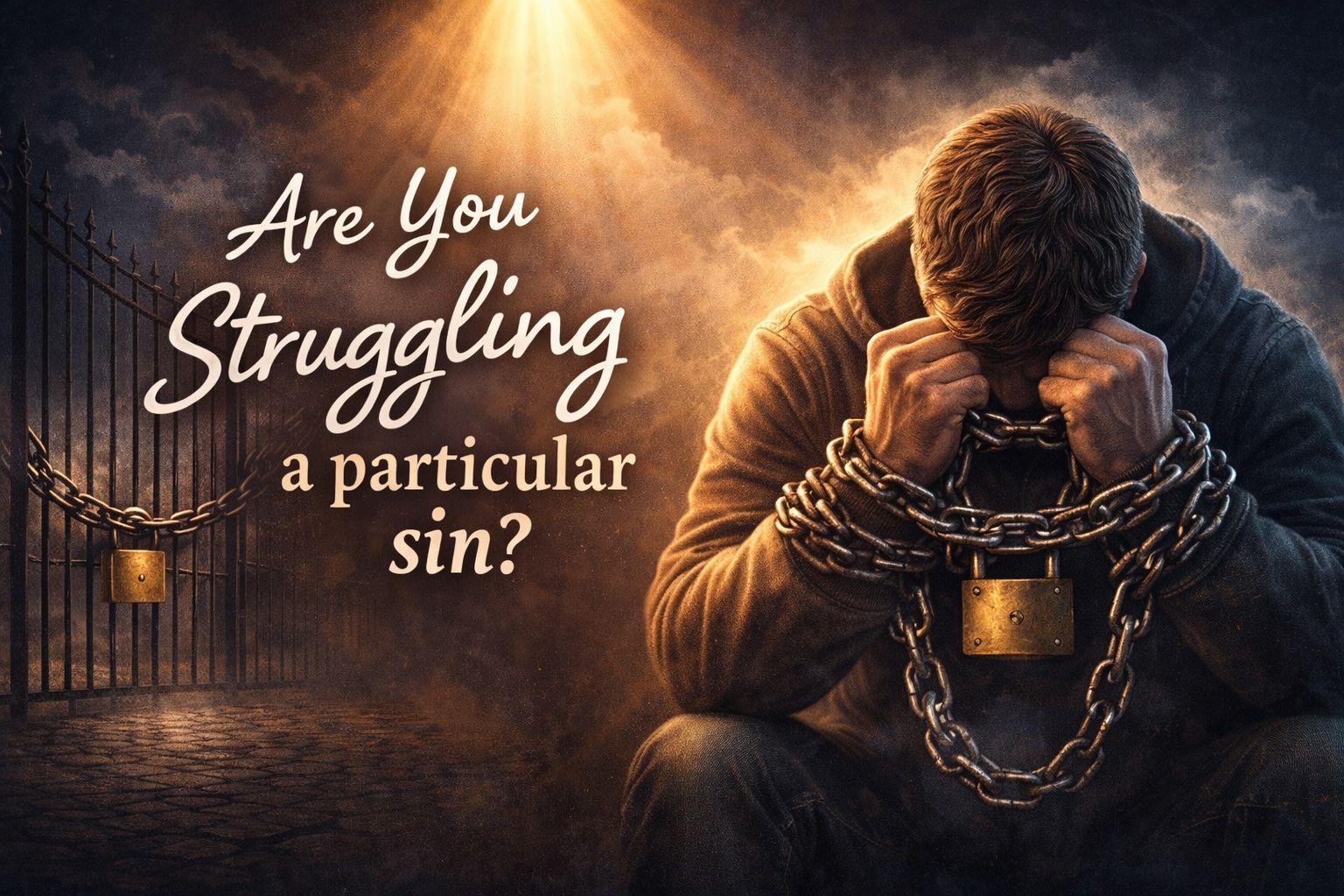
We recognize that sin is a part of our world. It is a reality. But it doesn’t have to be a reality that defines us.
“Repent, for the Kingdom of God is at hand.” These are the words that John the Baptist boldly proclaims. And in addition, he gives the people a baptism of repentance. The Greek word used is Metanoia, which literally means a change or transformation of the mind, or conversion, we generally translate it as “Repent” The word “Repent” is used precisely because the very heart of conversion consists in doing penance, that the Latin New Vulgate Bible translates it as paenitentiam agite (“do penance”). This translation conveys the deeper meaning of the text.
It seems to me that this “do penance”…this paenitentiam agite is referring to the supernatural moral virtue of penance. In the practice of this virtue, the sinner is disposed to hatred of his sin as an offense against God. Also, it is a calling to the firm conviction that he or she will amend his or her life and firmly intend to make satisfaction for the sin. The sorrow we feel for sin because of mental or physical suffering is normal and natural. But the principal motive for the penance should be because sin is an offense against God.
This is what St. John the Baptist is calling people to in our Gospel today. God’s kingdom is at hand, and we need to be prepared; we need to prepare our hearts. We must do penance, to overcome the vices (the leopard, the lion, and wolf) in our lives.
John the Baptist’s call is for transformation and renewal of the mind, so let’s look at our readings today and see what kind of transformation we are speaking about. If we think about the kind of war that goes on inside each of us between sin and grace and apply it to our first reading, it takes on a whole new light.
In our first reading from the book of the prophet Isaiah, we have this beautiful image painted for us.
Then the wolf shall be a guest of the lamb, and the leopard shall lie down with the kid; the calf and the young lion shall browse together, with a little child to guide them. The cow and the bear shall be neighbors, together their young shall rest; the lion shall eat hay like the ox. The baby shall play by the cobra’s den, and the child lay his hand on the adder’s lair.
We have these different animals that we normally recognize as mortal enemies. Depicted for us are these dangerous creatures like the wolf, the lion, the leopard; and Isaiah paints a picture for in which they are at peace with those that are weak and vulnerable. It is indeed beautiful and poetic? This imagery invokes in our minds a certain garden... the Garden of Eden.
The prophet Isaiah recognizes the fallen state of our world. Then, on the one hand, Isaiah looks back on a time before the fall of man, to a time of original justice and holiness; on the other hand, he is looking forward to a time when that holiness and justice will be restored. Isaiah continues:
There shall be no harm or ruin on all my holy mountain; for the earth shall be filled with knowledge of the LORD, as water covers the sea. On that day, the root of Jesse, set up as a signal for the nations, the Gentiles shall seek out, for his dwelling shall be glorious.
He prophesies about the coming Messiah, the root of Jesse; We know that this is fulfilled in the Lord Jesus who is going to make the restoration possible. And the Lord establishes his Church to facilitate that process of transformation.
This Kingdom of God refers, on one level, to the final coming of the Lord, when all things will be reconciled to Himself. It also speaks of the kingdom of God that is breaking into the world by means of the spread of the Gospel. But first the kingdom of God must be established in our hearts.
John the Baptist speaks of the coming of the Kingdom of God, “Repent for the kingdom of heaven is at hand.” This repentance must start in our hearts. Our Penance subdues and orders the passions … those lions, and wolves, and leopards.
My brothers and sisters in Christ, we are being called to so much more than being mere slaves to our desires. While one can argue that we are part of the animal kingdom, we must recognize that we are not animals, we are human beings. God is calling us to freedom. This freedom is the freedom to do the will of God. This coming Messiah will Baptize the world into divine life.
Our sinful tendencies will be transformed and overcome when we place them under God’s discipline. Through the power of the Paschal Mystery of Christ (his life, death, resurrection, and ascension into to heaven), and by his grace, we are invited to live in God’s love. “He will baptize you with the Holy Spirit and fire.”
So, I challenge you to depend upon God, recognizing that you cannot walk this Christian life alone without God’s grace. Go to those places of grace, and giving God his due, what is owed to him: worship. Go to those places of grace: The Mass, the Sacrament of reconciliation, your prayer each and every day. Listening for God’s inspirations and following them, putting yourself at His service. Allow the Holy Spirit to set your life on fire.
-Fr. Ron Nelson