
Are You Struggling with Alcohol or Substance Abuse?
If You Struggle with Alcohol or Substance Abuse
A Catholic Path to Sobriety, Freedom, and Care for the Soul
(Including Marijuana)
Why This Matters
Alcohol and drugs affect more than the body. They affect:
- Judgment
- Freedom
- Relationships
- Prayer
- Responsibility
Because substances promise relief, pleasure, or escape, they can quietly become false solutions to deeper needs.
The Church’s concern here is not moralism—it is human freedom and dignity.
What the Church Actually Teaches
The Church distinguishes between:
- Moderate use, and
- Abuse
Alcohol
The Church has never taught that drinking alcohol is sinful in itself. Scripture itself acknowledges wine as a gift when used rightly.
However, drunkenness—the deliberate impairment of reason and self-control—is sinful.
Why? Because it:
- Damages reason
- Weakens moral responsibility
- Increases the likelihood of other sins
- Undermines freedom
Moderation protects freedom. Intoxication erodes it.
Substance Abuse and the Moral Issue
Substance abuse is not only about frequency or legality. It is about what the substance does to the person.
Abuse occurs when a substance:
- Intentionally alters consciousness
- Diminishes self-control
- Becomes a coping mechanism
- Interferes with duties and relationships
- Is used as an escape from reality
The moral problem is not pleasure—it is self-surrender to impairment.
Why Using Marijuana Is Morally Wrong
This needs to be stated clearly and calmly.
Marijuana is morally problematic not primarily because it is illegal in some places, but because of what it is used for.
The Core Moral Issue
Marijuana is ordinarily used for intoxication—that is, to alter consciousness, dull awareness, and impair judgment.
This intentional impairment is the key issue.
Unlike moderate alcohol use, marijuana:
- Is typically used precisely to get high
- Directly affects cognition, motivation, memory, and perception
- Reduces alertness and self-command
- Is not ordinarily consumed for nourishment or social moderation
Because of this, its recreational use is ordered toward the loss of sobriety, not its preservation.
Why This Matters Spiritually
Sobriety is not just a health issue—it is a spiritual one.
The Christian life requires:
- Watchfulness
- Clear judgment
- Availability to God
- Responsibility toward others
Repeated intoxication:
- Weakens resistance to temptation
- Dulls conscience
- Encourages passivity and escapism
- Makes prayer difficult or shallow
Scripture repeatedly links sobriety with spiritual readiness.
A clouded mind struggles to love well.
What About Medical Use?
Medical use under legitimate supervision is a different moral category.
The moral concern is not the chemical itself, but:
- The intention
- The effect
- The loss (or preservation) of reason
Using medication to treat illness, pain, or serious conditions—under proper guidance and without seeking intoxication—is not the same as recreational drug use.
Intention matters.
Why Intoxication Is a Temptation to False Freedom
Alcohol and drugs often promise:
- Relaxation
- Escape
- Relief from anxiety
- Social ease
But what they offer is temporary—and what they take is real.
Over time, abuse:
- Weakens the will
- Creates dependency
- Trains avoidance instead of courage
- Replaces prayer with numbing
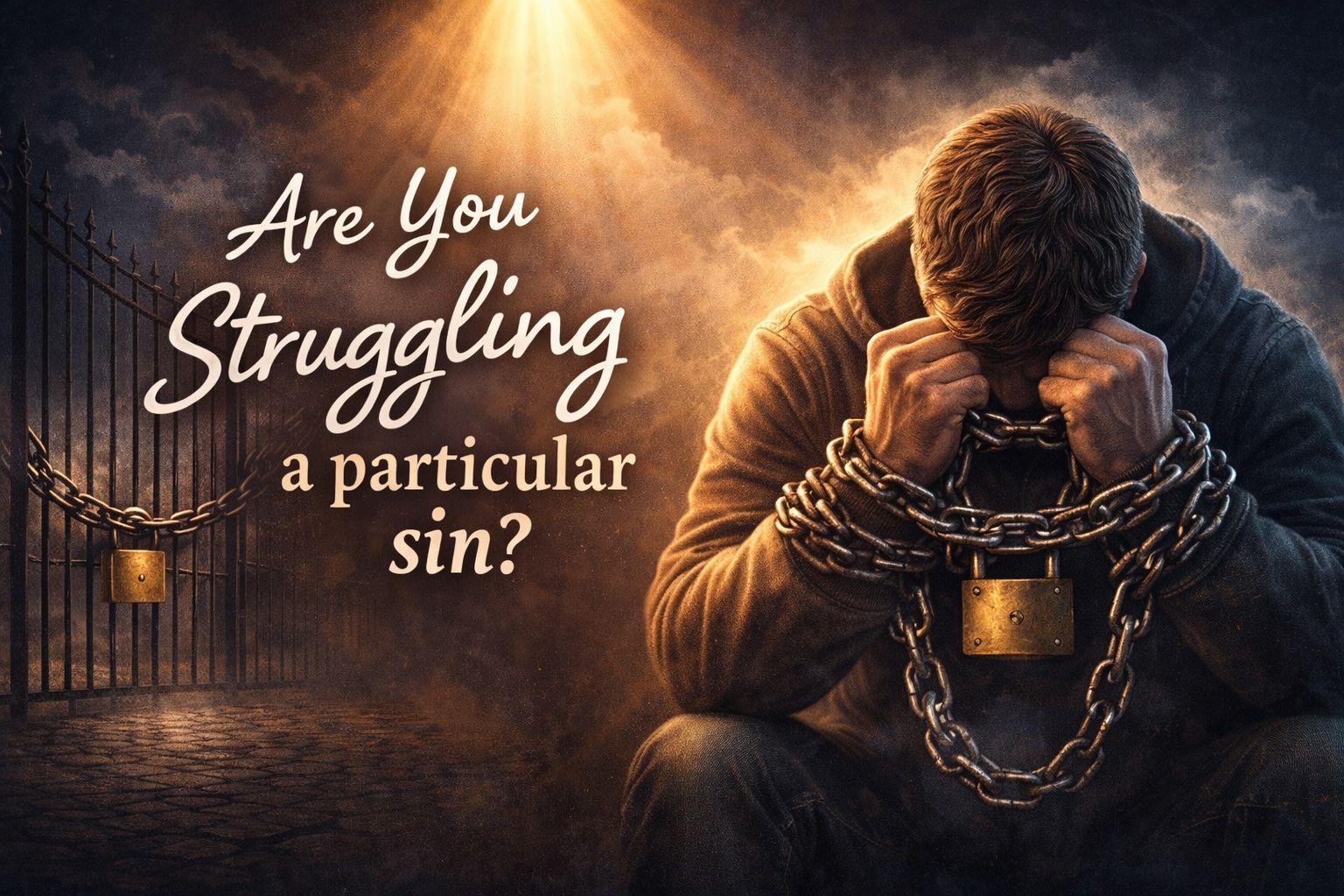
What begins as relief often ends as bondage.
The Virtue That Heals Substance Abuse: Temperance
Temperance is the virtue that governs desire.
It allows us to:
- Enjoy good things rightly
- Say “enough”
- Refuse what diminishes freedom
Temperance does not eliminate pleasure. It protects dignity.
Practical Steps Toward Sobriety and Freedom
Freedom grows through concrete decisions, not vague intentions.
1. Be Honest About Use
Ask:
- Why am I using this?
- How does it affect my judgment?
- Does it interfere with my duties or prayer?
- Am I using it to avoid something deeper?
Honesty is the beginning of healing.
2. Avoid Near Occasions of Abuse
This may mean:
- Avoiding certain social settings
- Setting firm limits—or abstaining entirely
- Removing substances from your home
- Choosing different coping strategies
Avoidance here is prudence, not weakness.
3. Do Not Isolate
Addiction thrives in secrecy.
Freedom grows through:
- Accountability
- Community
- Honest relationships
Isolation feeds dependency.
4. Replace the Escape with Something Real
Substances often substitute for:
- Rest
- Human connection
- Joy
- Peace
Seek real versions of what you’re trying to numb:
- Exercise
- Friendship
- Prayer
- Counseling
- Healthy recreation
5. Ask for Help Early
If use feels compulsive or out of control:
- Speak to a priest
- Seek professional help
- Consider support groups
- Do not wait for “rock bottom”
Asking for help is an act of courage.
6. Use Confession as a Place of Strength
Confession is not just for failure—it is for healing.
Regular confession:
- Restores clarity
- Strengthens resolve
- Prevents despair
- Reconnects the heart to grace
Repeated struggle does not mean insincerity. It means the battle is real.
Sobriety and the Christian Life
Sobriety is about availability.
A sober mind is:
- Awake to God
- Present to others
- Capable of love and sacrifice
Christ Himself lived in perfect freedom, not through escape, but through total self-gift.
The Christian life is not about dulling pain, but about redeeming it.
A Line Worth Remembering
Anything that regularly impairs reason eventually impairs freedom.
A Prayer for Sobriety and Strength
Lord God, You created me for freedom and love. Free me from habits that cloud my mind and weaken my will. Give me the courage to face life soberly, the humility to ask for help, and the grace to choose what leads to life. I place my trust in You. Amen.