Are You Struggling to Forgive?
If You Are Struggling to Forgive
A Catholic Path to Freedom, Healing, and Peace of Heart
Forgiveness Is One of the Hardest Commands
Forgiveness is not easy.
People struggle to forgive because:
- The hurt was real
- The injustice was serious
- The wound is ongoing
- The offender is unrepentant
- Trust was deeply broken
When the Gospel speaks about forgiveness, it does not minimize suffering. Even the disciples once asked how often they must forgive, and Jesus Christ answered in a way that challenged them profoundly.
Forgiveness is difficult because love is difficult.
What Forgiveness Is — and Is Not
Many people resist forgiveness because they fear it will excuse harm or force reconciliation.
That fear is understandable — and mistaken.
Forgiveness Is Not
- Saying the harm did not matter
- Pretending everything is fine
- Excusing injustice
- Forgetting what happened
- Trusting someone who is unsafe
- Remaining in a harmful or abusive situation
Forgiveness does not mean allowing continued harm.
Forgiveness Is
- Releasing the desire for revenge
- Refusing to return evil for evil
- Placing justice in God’s hands
- Choosing not to let resentment rule the heart
Forgiveness is about what you carry within you, not about declaring the other person innocent.
Forgiveness and Reconciliation Are Not the Same Thing
This distinction is crucial.
Forgiveness
- Is something you can do
- Can happen unilaterally
- Is an interior act of the will
- Frees your heart
You do not need the other person’s repentance, apology, or cooperation in order to forgive.
Reconciliation
- Requires two willing parties
- Requires repentance and change
- Requires rebuilding trust
- Is relational, not merely interior
Reconciliation may be:
- Slow
- Partial
- Impossible
And that does not mean forgiveness has failed.
Forgiveness is always commanded. Reconciliation is sometimes not possible.
Why Forgiveness Matters Spiritually
Unforgiveness quietly takes up residence in the heart.
Over time, resentment can:
- Harden the heart
- Distort prayer
- Drain peace
- Keep wounds constantly open
- Allow the offender to keep power over us
Forgiveness is not forgetting — it is evicting resentment.
Resentment is a terrible tenant. It demands constant attention and pays no rent.
Do Not Give Resentment Real Estate in Your Heart
One of the most important acts of forgiveness is interior refusal.
Forgiveness says:
“I will not allow this wound to dominate my inner life.”
This often requires prayerful repetition.
When resentment resurfaces:
- Do not panic
- Do not condemn yourself
- Do not rehearse the injury again
Instead, turn to God and say:
“Lord, I place this back in Your hands.”
This is not denial. It is custody transfer.
How Forgiveness Actually Happens
Forgiveness usually unfolds as a process.
1. Name the Wound Honestly
Do not minimize it.
- What happened?
- How did it hurt you?
- What was taken or violated?
God does not ask us to forgive imaginary wounds.
2. Choose Forgiveness Before You Feel It
Forgiveness begins as an act of the will, not a feeling.
You may pray:
“Lord, I choose to forgive. Help my heart follow.”
This choice matters, even when emotions lag behind.
3. Ask God to Heal the Resentment
You cannot simply will resentment away.
Ask God specifically:
- To loosen anger
- To quiet obsessive thoughts
- To soften the heart
- To remove bitterness
Grace does what willpower cannot.
4. Release the Desire for Revenge
Forgiveness means letting go of:
- Imagined confrontations
- Silent punishments
- Hoping the other suffers
This step is often repeated many times.
That repetition is not failure — it is healing.
5. Repeat as Needed
Forgiveness is often renewed daily.
Some wounds heal quickly. Others heal slowly.
Forgiveness is not a one-time event, but a practiced habit of freedom.
Forgiveness Does Not Require Reconciliation
You may forgive:
- Without resuming contact
- Without restoring trust
- Without reopening wounds
- Without explaining yourself
Boundaries can coexist with charity.
Forgiveness heals the heart. Boundaries protect it.
Forgiveness and the Cross
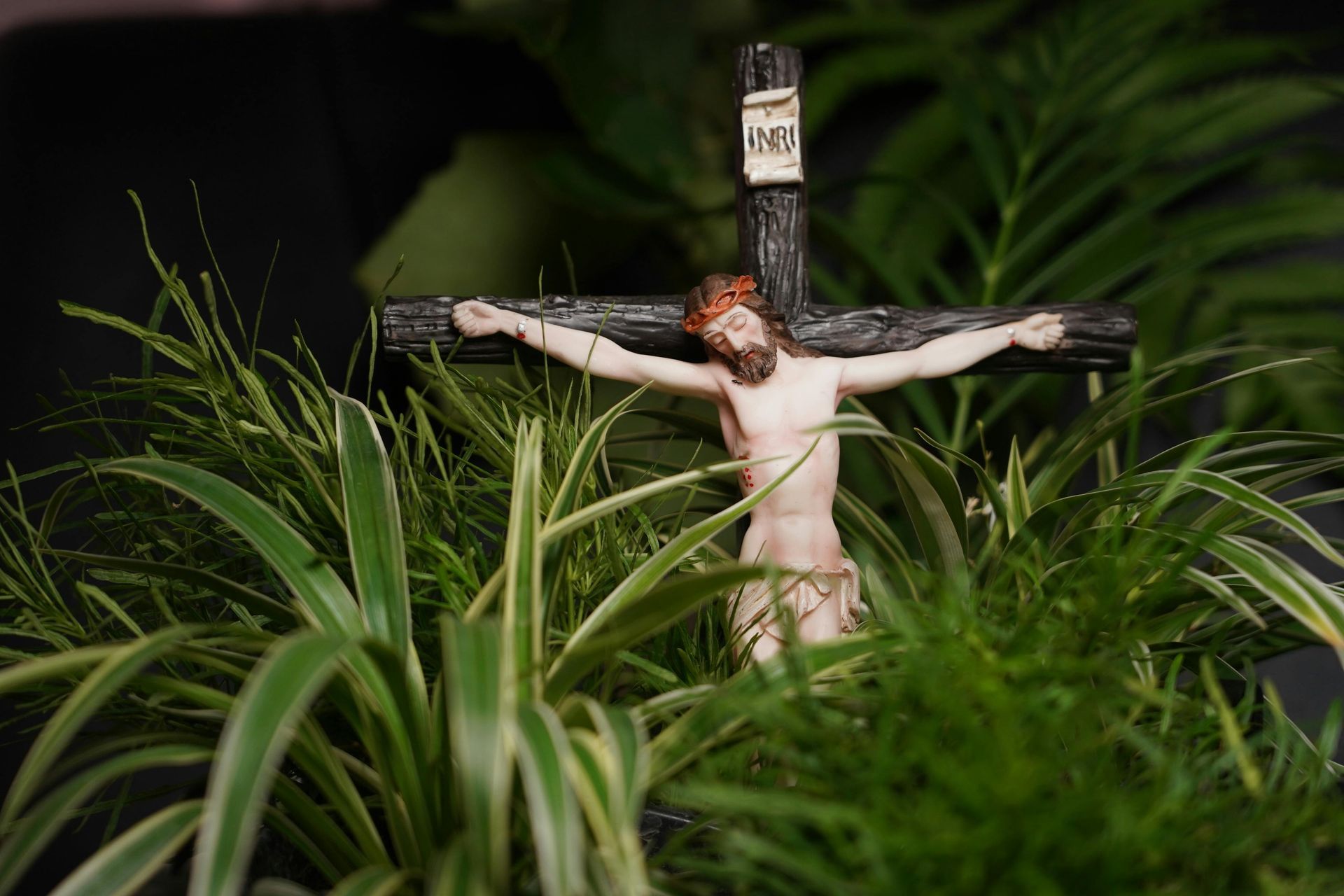
Christ did not wait for repentance before forgiving.
From the Cross, He prayed:
“Father, forgive them.”
Forgiveness does not deny suffering. It passes through suffering and hands it to God.
When forgiveness feels impossible, we unite it to Christ’s own wounded love.
When Forgiveness Needs Help
Some wounds are too deep to heal alone.
Forgiveness may require:
- Time
- Prayer
- Counseling
- Spiritual direction
- Safe, supportive relationships
Needing help does not mean you lack faith. It means the wound is real.
God often heals through others.
A Practical Prayer to Evict Resentment
When bitterness returns, pray slowly:
Lord, I give You this resentment. I refuse to let it live in my heart. Heal what still hurts. Free me from the desire to punish. I choose forgiveness again today. Amen.
A Line Worth Remembering
Forgiveness frees your heart; reconciliation restores a relationship — and they are not the same thing.
Closing Prayer
Merciful Father, You see the wounds I carry. Give me the grace to forgive, the wisdom to set healthy boundaries, and the patience to heal at Your pace. Remove resentment from my heart and make room for Your peace. I place my trust in You. Amen.