
Are You Struggling with Gluttony or Gormandizing?

If You Struggle with Gluttony or Gormandizing
A Catholic Path to Freedom, Gratitude, and Right Desire
Why This Matters
Gluttony is often misunderstood as simply “eating too much.”
In reality, it concerns disordered desire—using food or drink not primarily for nourishment and shared joy, but for:
- Comfort
- Escape
- Control
- Pleasure without restraint
Because food is good and necessary, gluttony can hide easily. It often becomes habitual without drawing attention to itself, quietly shaping the heart.
What the Church Means by Gluttony
Gluttony is not defined by quantity alone.
Traditionally, it includes:
- Eating to excess without regard for health
- Eating compulsively or mindlessly
- Seeking pleasure in food above moderation
- Using food to numb emotions or stress
- Drinking alcohol without restraint
Gluttony is sinful not because food is bad, but because appetite is placed above reason, gratitude, and charity.
What Is Gormandizing?
Gormandizing is a refined or subtle form of gluttony.
It focuses less on quantity and more on:
- Excessive preoccupation with food quality
- Obsession with taste or indulgence
- Treating meals as an entitlement rather than a shared good
- Becoming demanding, picky, or irritable around food
- Only eating the foods that you like
Gormandizing turns eating into a form of self-centered pleasure, rather than an act of nourishment and fellowship.
Why Gluttony Is Spiritually Dangerous
Gluttony weakens the soul quietly and gradually.
Over time it can:
- Dull self-control
- Weaken resistance to other temptations
- Reduce attentiveness in prayer
- Foster entitlement and impatience
- Train the heart to seek comfort rather than God
The body learns what the soul practices.
A heart ruled by appetite struggles to be ruled by charity.
Gluttony Is Not the Same as Enjoyment
The Church does not condemn:
- Enjoying good food
- Celebrations and feasts
- Cultural and family meals
- Occasional indulgence
Joyful enjoyment, received with gratitude and moderation, is good.
Gluttony begins when:
- Pleasure becomes the primary goal
- Moderation is ignored
- Food becomes emotional medicine rather than nourishment
Food Is a Gift to Be Received with Gratitude
Food is necessary for life. Because of this, access to food is a matter of human dignity and justice. No one should be deprived of what is needed to live.
At the same time, how we relate to food matters.
Food is meant to be:
- Received with gratitude
- Shared with others
- Used for nourishment and strength
- Enjoyed in moderation
Gluttony does not arise because food exists or because we enjoy it. It arises when we treat food as something to be indulged without restraint, rather than something to be received wisely and gratefully.
Gratitude restores balance:
- It reminds us that food comes from God
- That many hands labored to provide it
- And that it is meant to serve life, not dominate desire
Gratitude transforms necessity into blessing.
The Virtue That Heals Gluttony: Temperance
Temperance is not repression.
Temperance is:
- The habit of enjoying good things rightly
- The ability to stop when enough is enough
- Freedom from being driven by appetite
Temperance does not eliminate pleasure—it orders it.
Practical Steps to Grow in Temperance
Growth in this virtue is usually gradual, not dramatic.
1. Eat Intentionally, Not Automatically
Ask simple questions:
- Am I eating because I’m hungry, or because I’m bored or stressed?
- Am I eating attentively, or distracted and mindless?
Slowing down restores freedom.
2. Practice Moderation Without Extremes
Avoid all-or-nothing thinking.
Helpful practices include:
- Reasonable portion control
- Pausing before seconds
- Occasionally leaving a little uneaten
The goal is mastery, not deprivation.
3. Reclaim Fasting in Small, Sustainable Ways
Fasting trains the will.
This may include:
- Skipping snacks
- Limiting sweets
- Eating simpler meals
- Moderating alcohol
Fasting is not punishment. It is exercise for freedom.
4. Guard Against Emotional Eating
Food is not meant to carry emotional weight.
When tempted to eat for comfort, ask:
- What am I really needing right now?
- Rest?
- Connection?
- Prayer?
Addressing the root weakens the compulsion.
5. Say Grace Slowly and Meaningfully
Grace before meals is not a formality.
It:
- Reorients desire
- Cultivates gratitude
- Reminds us that food is gift, not possession
A slow prayer can change the entire meal.
6. Practice Simplicity
Not every meal needs to be indulgent.
Simple food:
- Trains detachment
- Sharpens appreciation
- Reduces entitlement
Simplicity frees joy.
7. Be Patient with Yourself
Gluttony often involves long-standing habits.
Growth looks like:
- Increased awareness
- Fewer compulsive patterns
- Quicker self-correction
- Greater peace around food
Virtue grows through perseverance, not perfection.
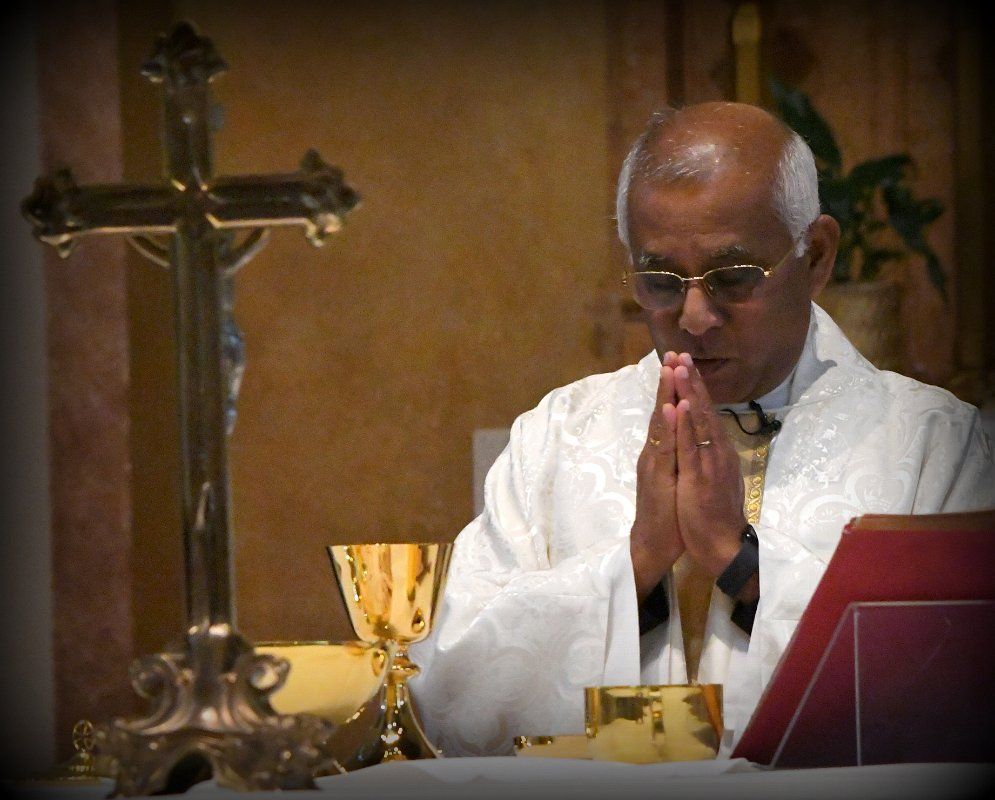
Gluttony and the Eucharist
Food trains desire.
When appetite governs everything, spiritual hunger weakens.
Temperance restores proper order:
- The body is nourished
- The soul is prioritized
- God becomes the deepest nourishment
Christ offers Himself as true food, not to replace ordinary meals, but to order every desire toward eternal life.
A Line Worth Remembering
Food is meant to serve life — not to rule the heart.
A Prayer for Temperance
Lord God, You give food for nourishment and joy. Free me from disordered desire. Teach me to receive Your gifts with gratitude, to stop when enough is enough, and to seek You above all comfort. Make my body a servant of love, not a master of my heart. Amen.